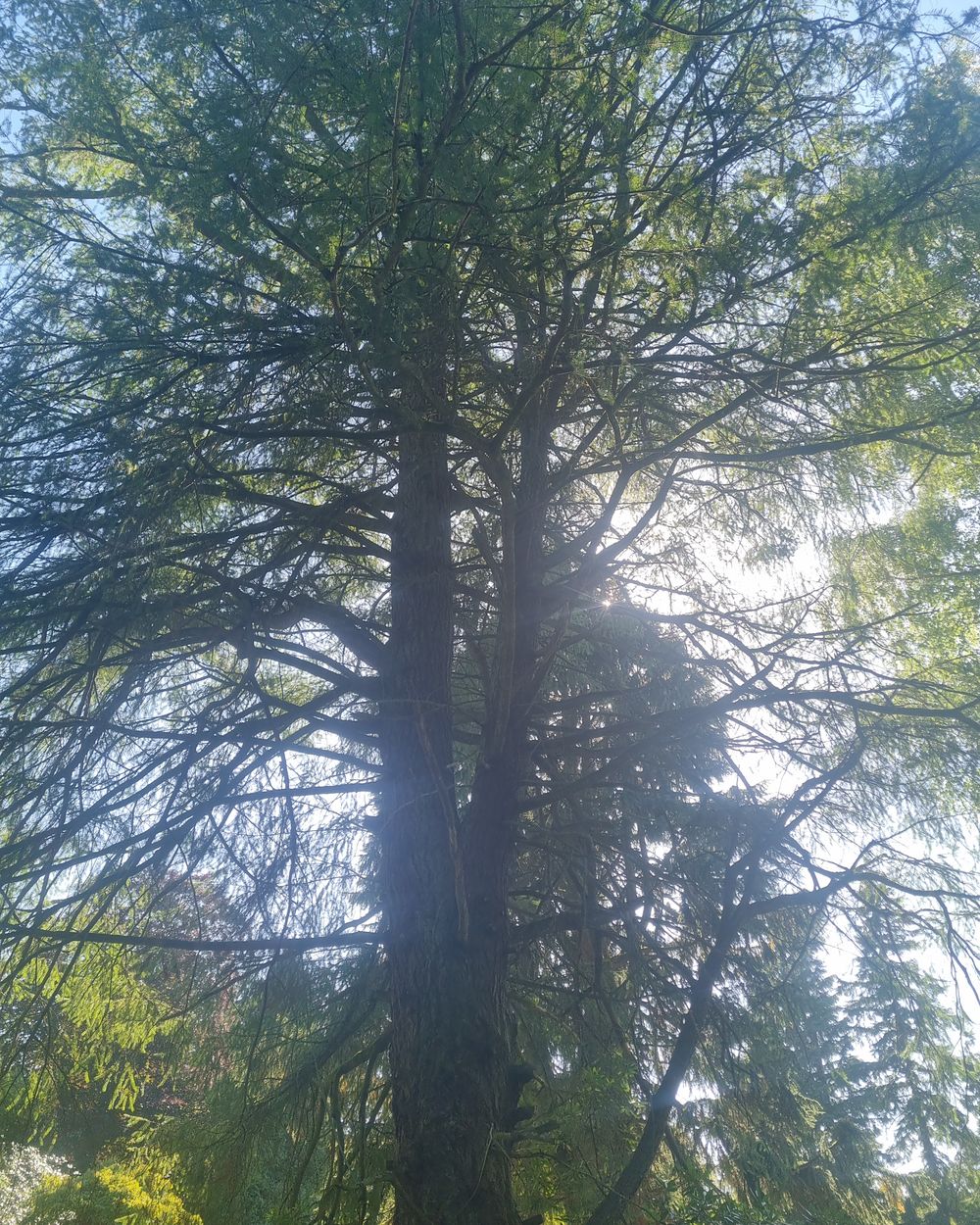
Pruning & crown work
Most trees do not need to come down. They need the right cuts, in the right places, at the right time of year — and then leaving alone for a few years.
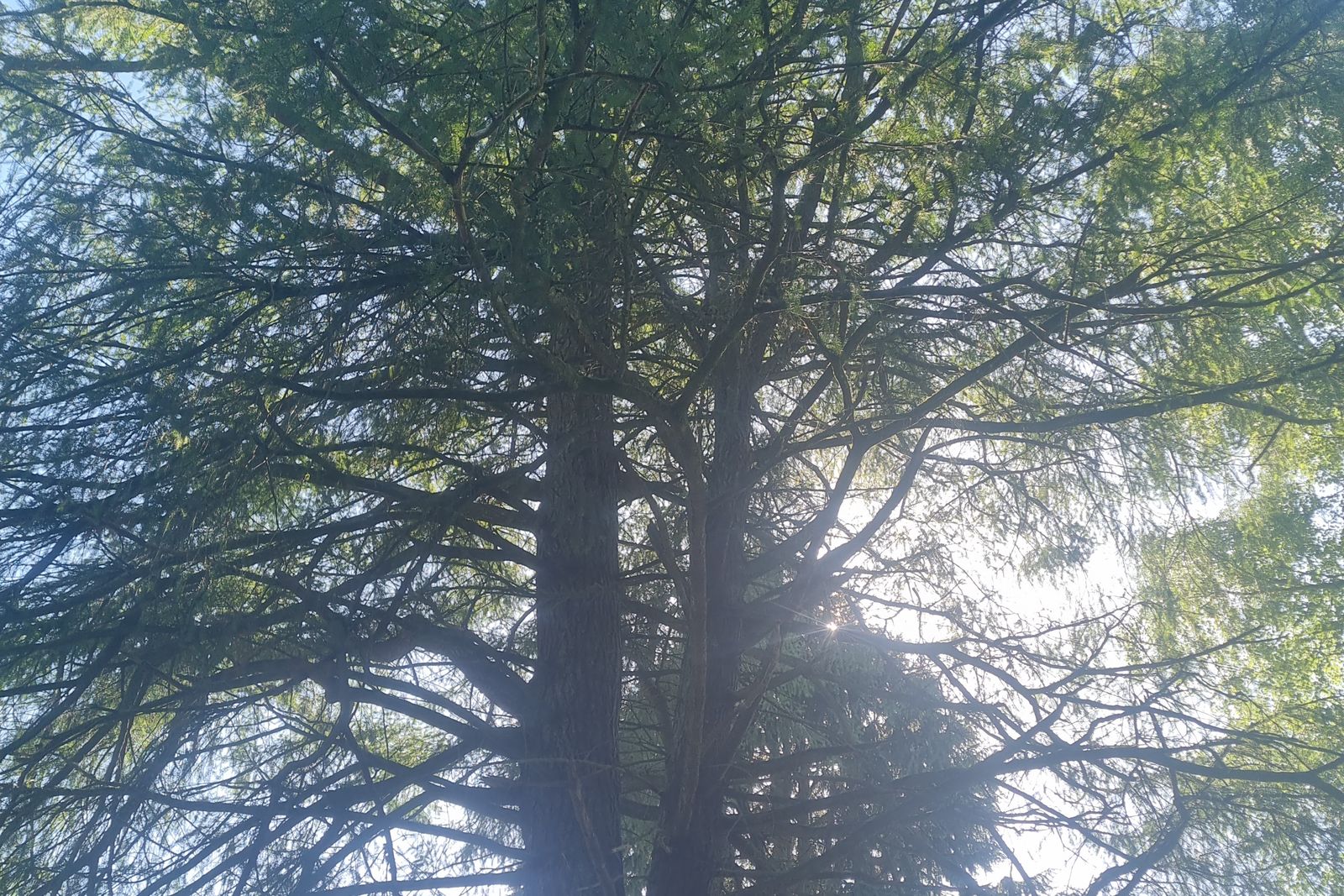
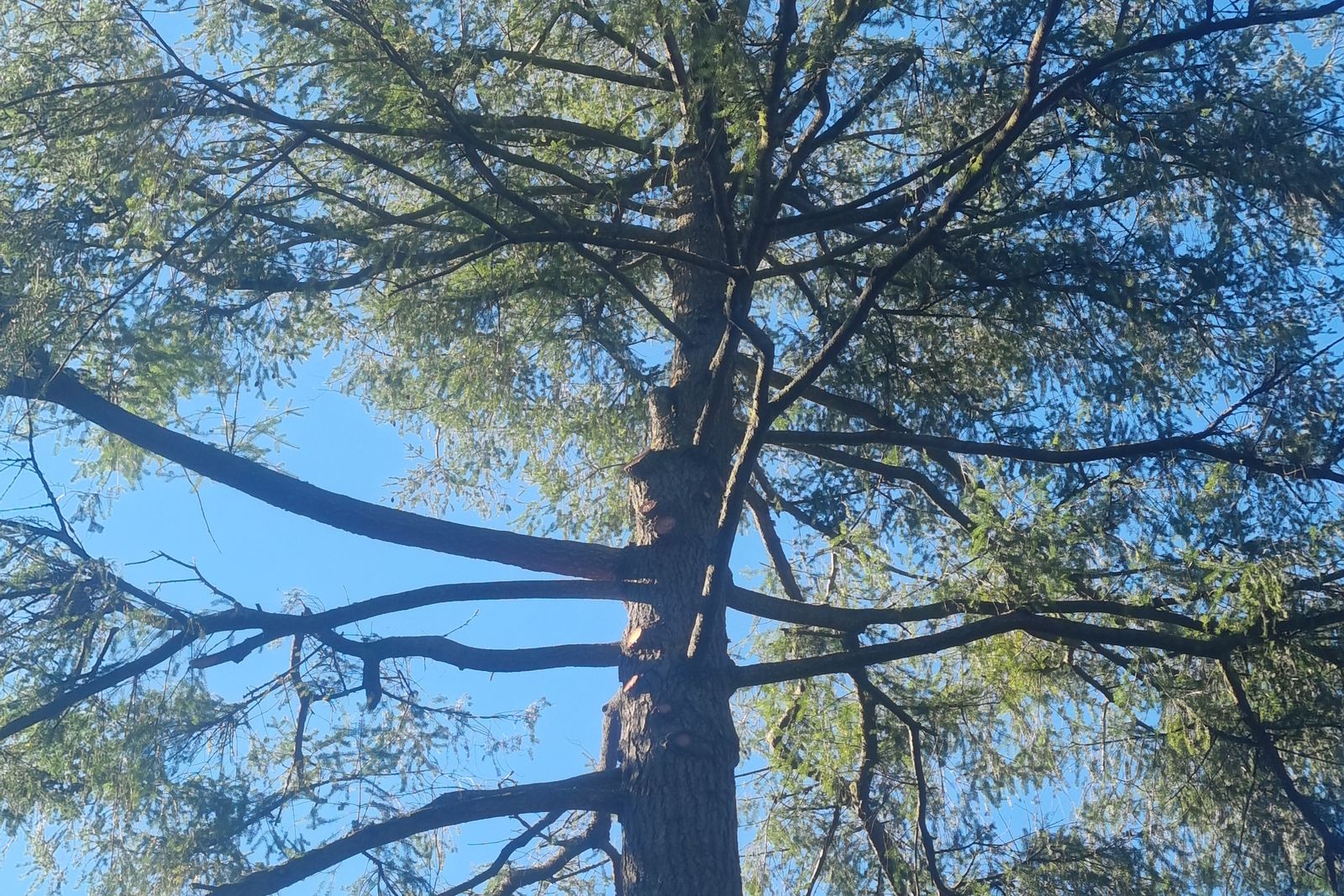
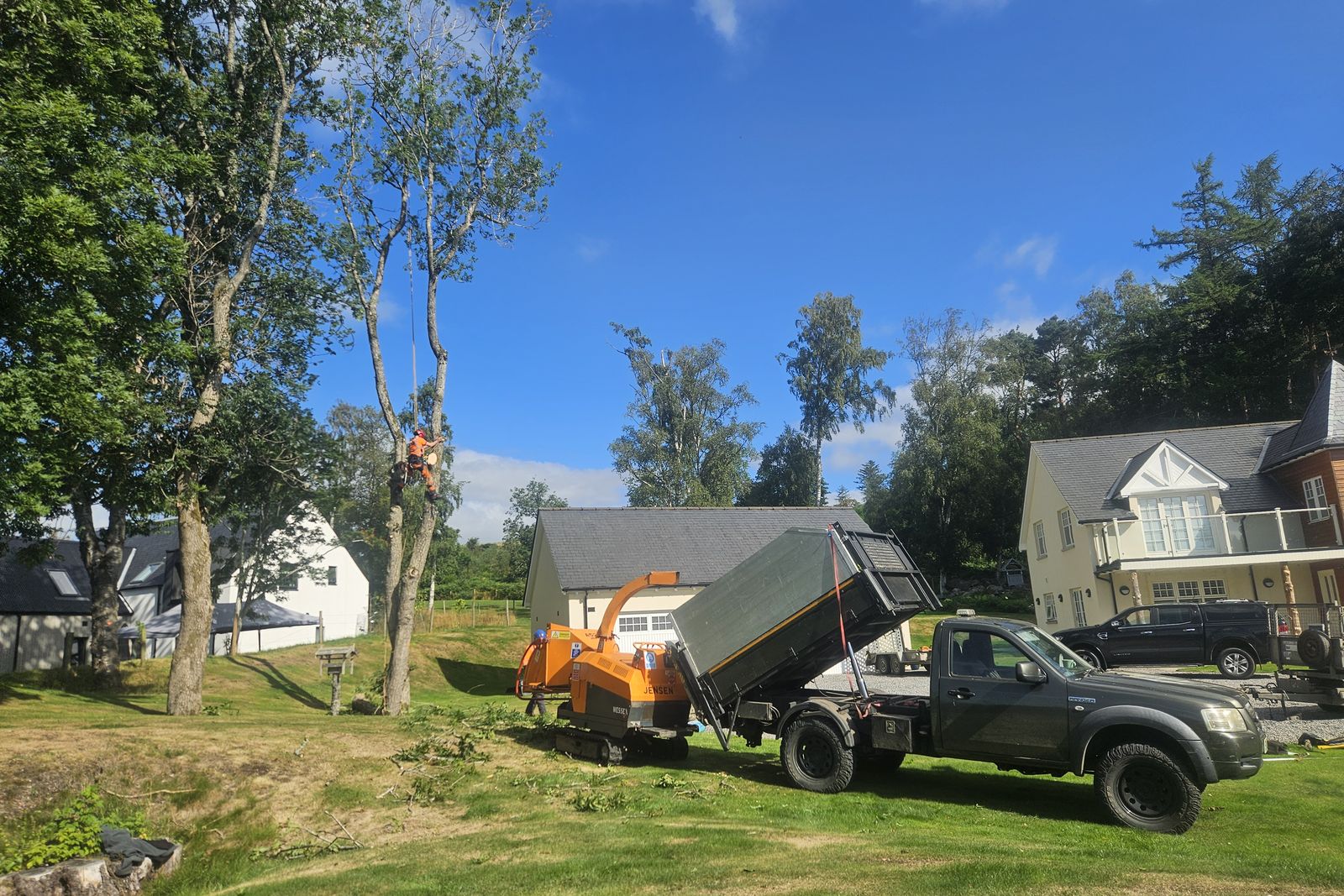
Crown reduction takes height and spread off a tree while keeping its natural shape. Crown thinning takes selected branches out of the middle to let light and wind through. Crown lifting removes the lowest limbs to clear a path, a drive or a window. Deadwooding takes out what has already died before it falls on something.
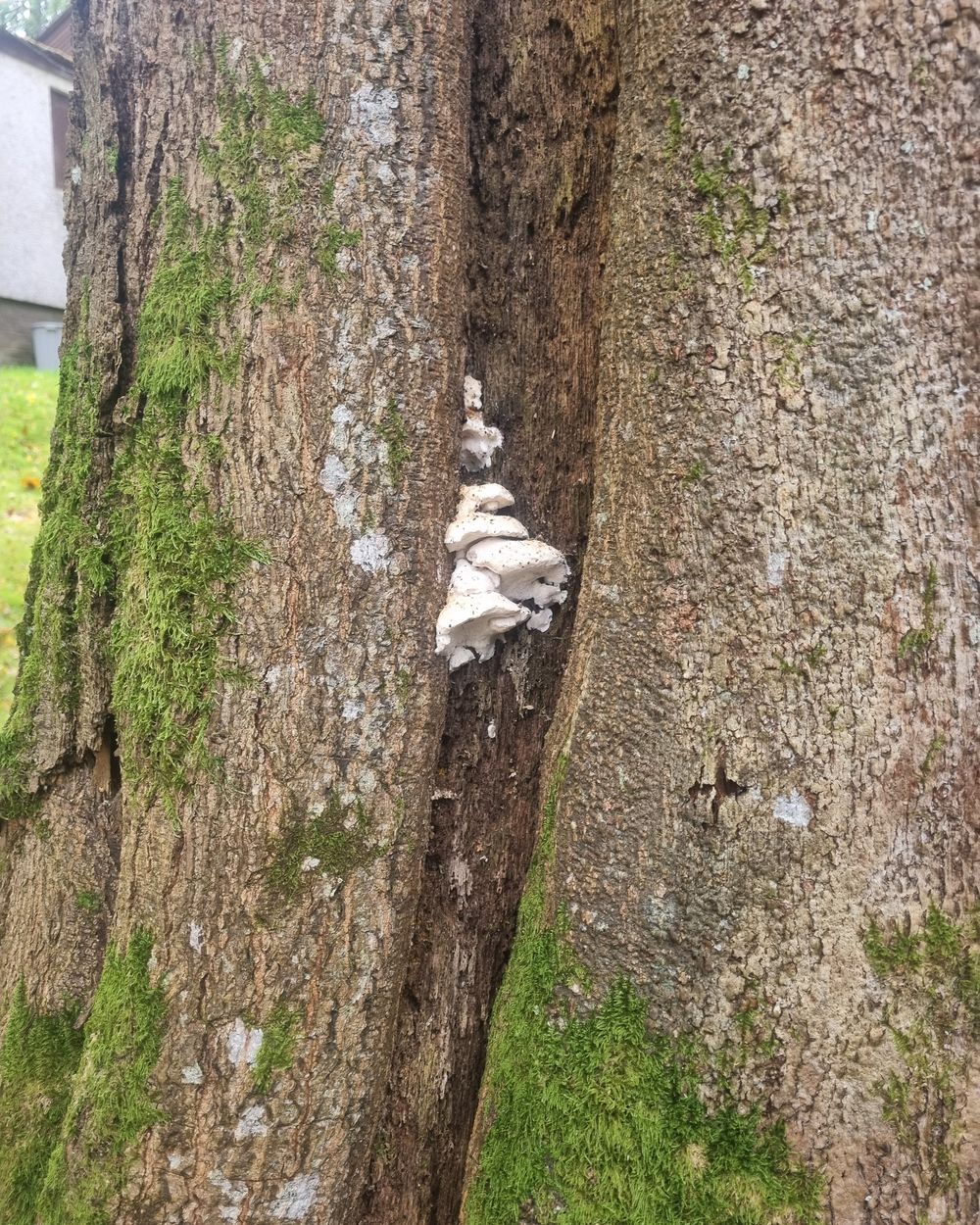
All of it is cut to British Standard 3998, which matters more than it sounds. Bad pruning — topping a tree back to stumps, tearing bark on the way down, cutting flush to the trunk — creates decay pockets that kill the tree slowly and leave you with a bigger bill in five years. Proper cuts heal.
Fair questions
- When is the best time to prune?
- Most broadleaves are best cut in late autumn or winter when dormant. Some — cherry, plum and birch among them — are better in summer to avoid bleeding or disease. We will tell you if it is worth waiting.
- Will it grow back thicker?
- Badly cut trees respond with dense weak regrowth. Properly cut ones do not. That is the whole argument for BS 3998.
- Can you just take the top off?
- Topping is bad practice and we will not do it. There is almost always a reduction that achieves the same thing without wrecking the tree.
Tell us the job in thirty seconds
Tap what you need and it writes the message for you. No forms to fill in, no waiting on an email — it opens straight in WhatsApp and we usually reply the same day.
Your answers stay in this browser until you tap the button — it just opens WhatsApp with the message ready. A postcode is checked against the free Post Office lookup at postcodes.io; nothing else leaves your device.