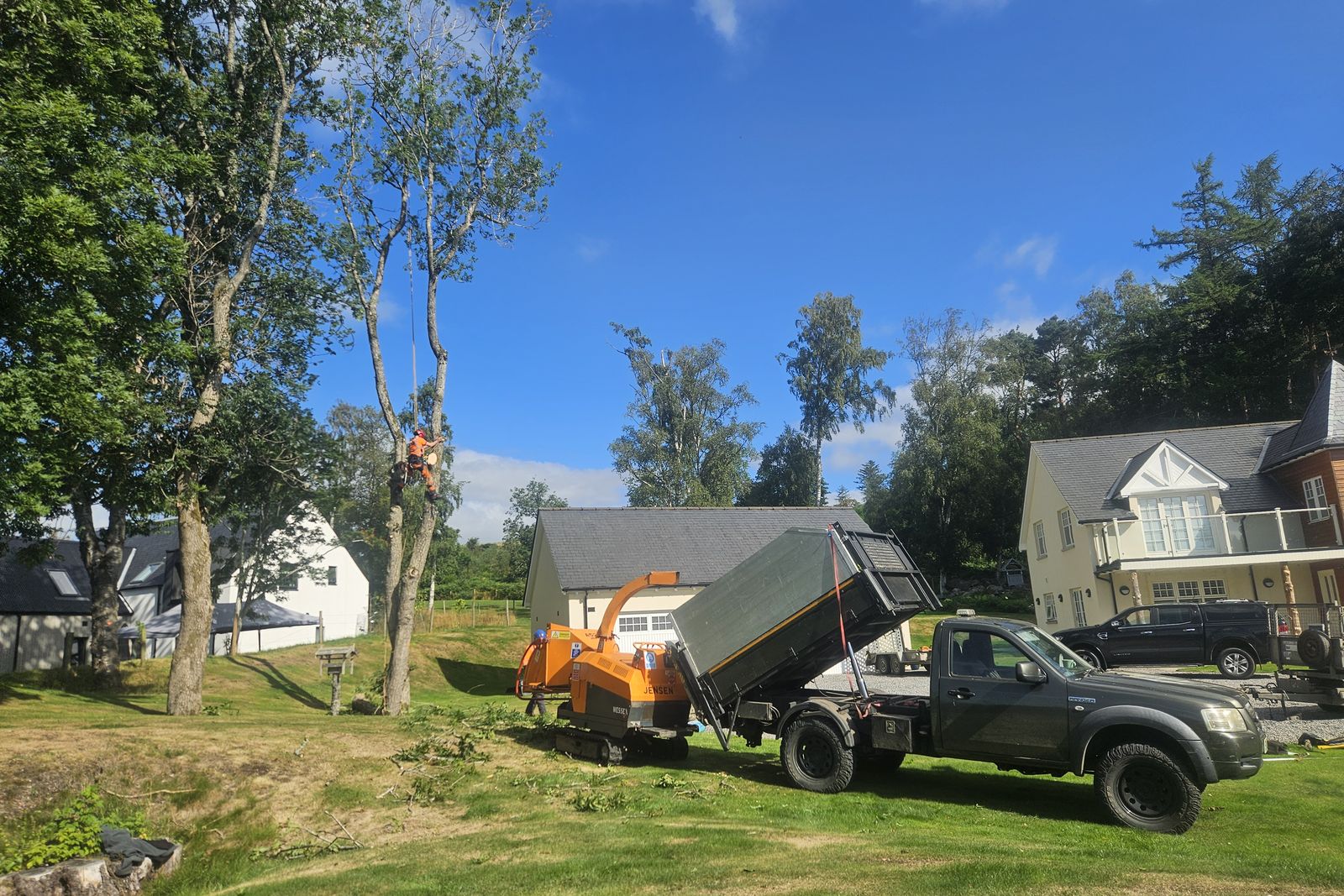
Dead & dangerous trees
A dead tree is not automatically a dangerous one. What matters is what it would hit, and how likely it is to fail.
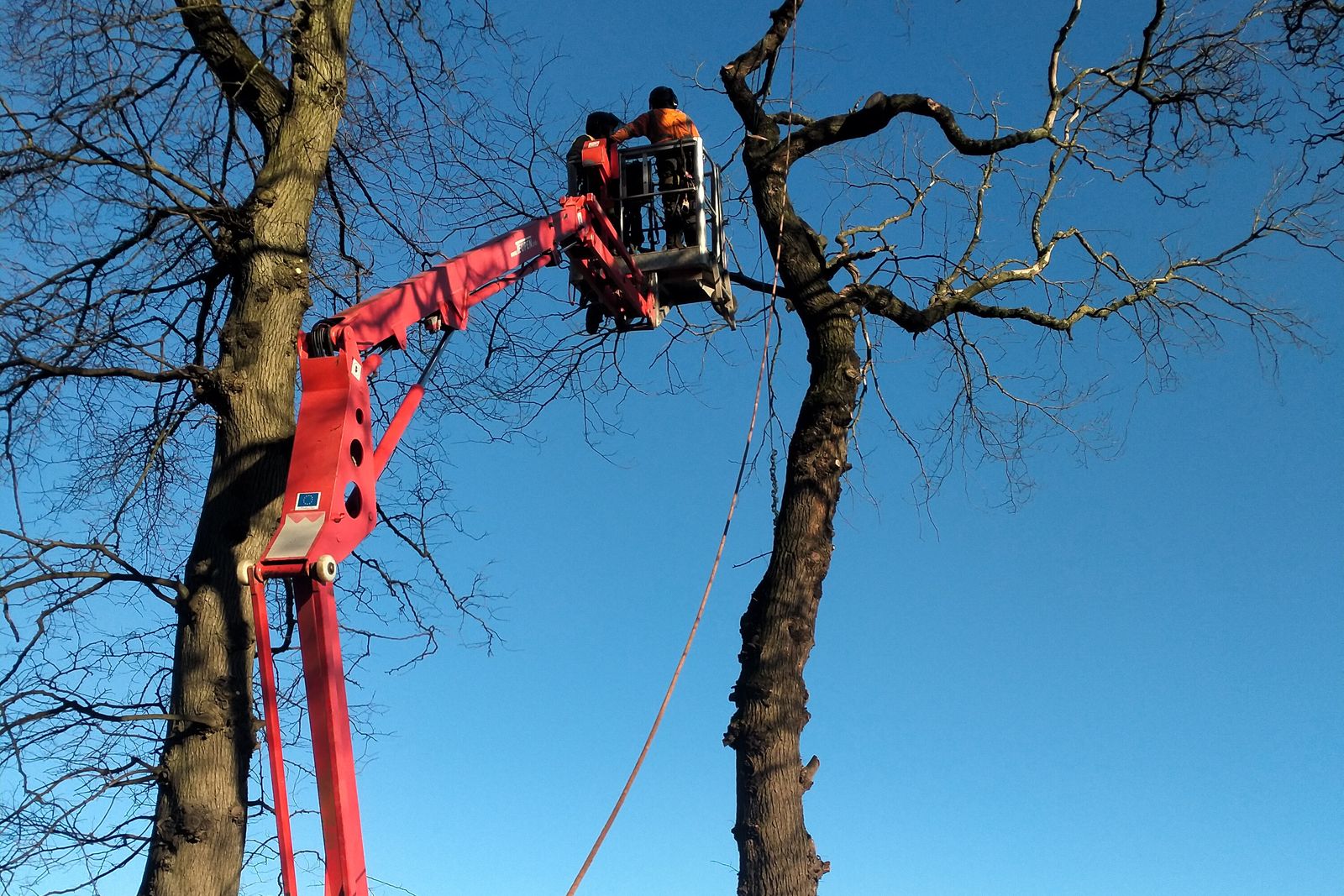
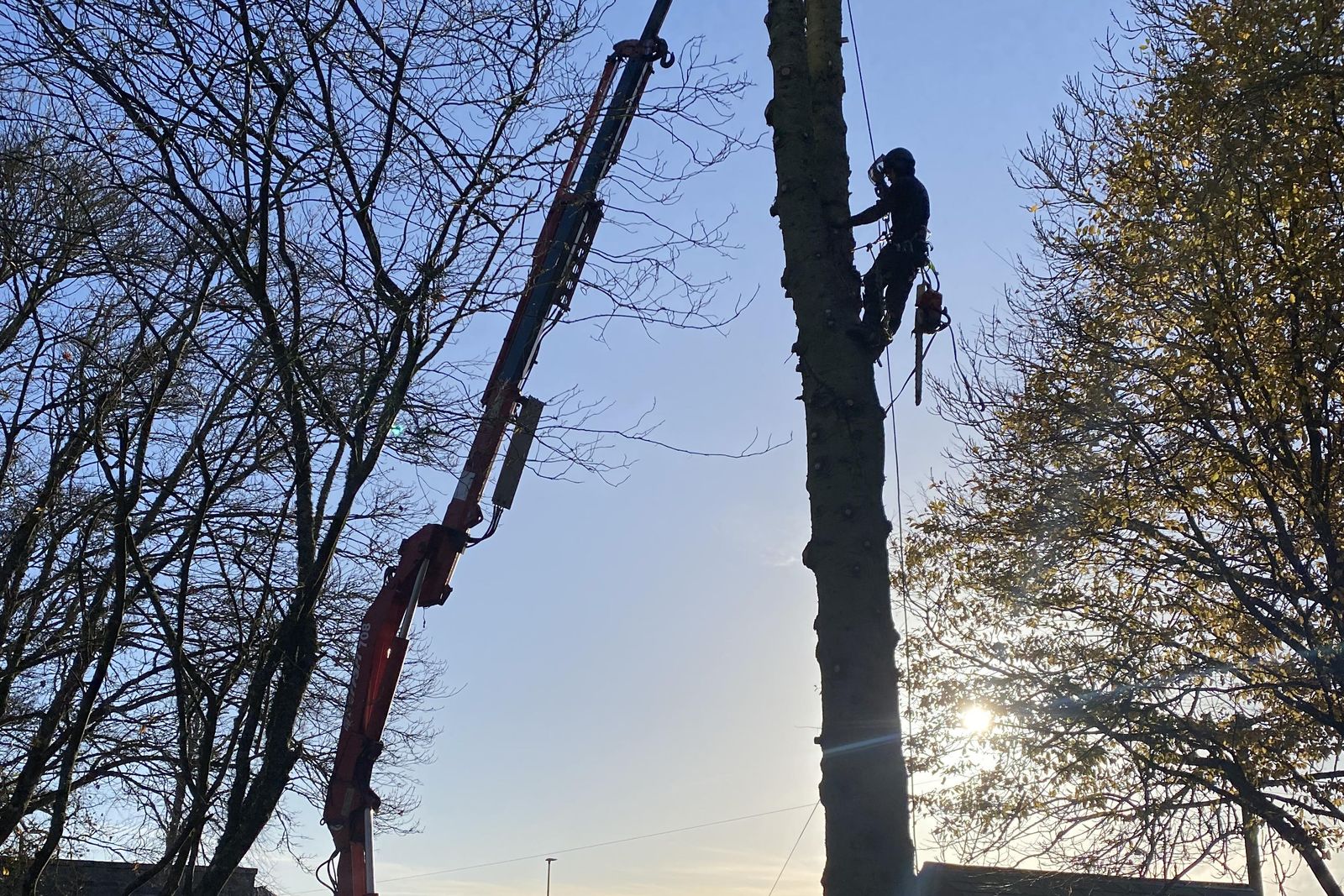
We look at the target as much as the tree. A dead ash in the middle of a field can stand for years and is worth more standing than felled — bats, woodpeckers, beetles. The same tree leaning over a school path comes down this week.
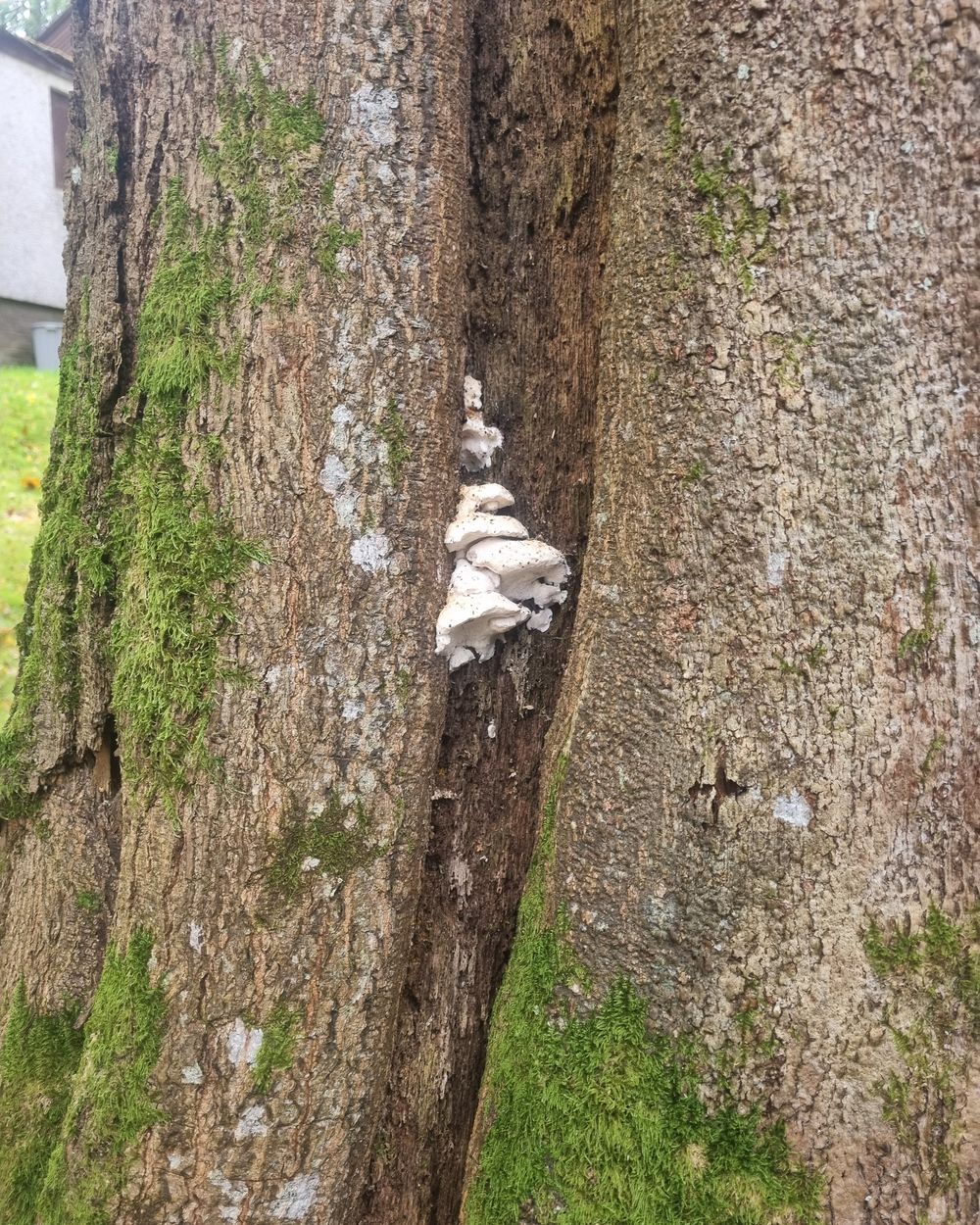
The things that genuinely worry us are the ones people walk past: bracket fungi at the base, a crack running down a fork, included bark in a co-dominant union, or a root plate that has started to lift on one side. Any of those and the conversation changes.
Fair questions
- How do I know if my tree is unsafe?
- Fungal brackets, cracks, sudden lean, heaving soil on one side of the base, or a lot of deadwood in the crown. If you can see any of those, get it looked at.
- Does a dangerous tree still need consent?
- There are exemptions, but they are narrower than people think and you may still have to notify the council. Photograph everything before work starts.
- Can it be saved?
- Often, yes. Reduction, bracing or just reducing the target can all be alternatives to felling. We will say so if that is the honest answer.
Tell us the job in thirty seconds
Tap what you need and it writes the message for you. No forms to fill in, no waiting on an email — it opens straight in WhatsApp and we usually reply the same day.
Your answers stay in this browser until you tap the button — it just opens WhatsApp with the message ready. A postcode is checked against the free Post Office lookup at postcodes.io; nothing else leaves your device.